
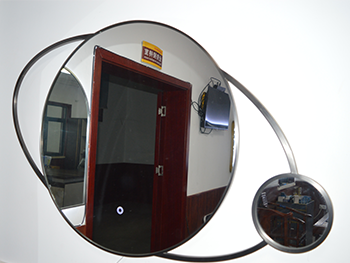
Fully Automatic Smart Bathroom Mirrors with Motion-Activated Lights: Technology and Market Insights
Industry Background and Market Demand
The bathroom has evolved from a purely functional space to a key area of smart home integration. Among the latest innovations, fully automatic smart bathroom mirrors with motion-activated lighting are gaining traction in both residential and commercial markets. These mirrors combine aesthetics with advanced functionality, addressing the growing demand for energy efficiency, hygiene, and convenience.
Market research indicates a steady rise in demand for smart bathroom solutions, driven by urbanization, higher disposable incomes, and increasing interest in IoT-enabled home automation. Hotels, luxury apartments, and healthcare facilities are early adopters, leveraging these mirrors to enhance user experience while reducing energy consumption.
Core Concept and Key Technologies
A fully automatic smart bathroom mirror integrates motion sensors, LED lighting, and often additional features such as anti-fogging, Bluetooth speakers, or touch controls. The primary innovation lies in its motion-activated lighting system, which eliminates manual switching while optimizing energy use.
Key Technologies:
1. Passive Infrared (PIR) Sensors – Detect human presence and trigger lighting without physical contact.
2. LED Backlighting – Energy-efficient illumination with adjustable brightness and color temperature.
3. Anti-Fog Coatings – Prevent condensation, ensuring clear visibility in humid environments.
4. Smart Connectivity (Optional) – Integration with home automation systems via Wi-Fi or Bluetooth.
Product Structure, Materials, and Manufacturing
Structural Components:
- Frame and Housing – Typically aluminum or stainless steel for corrosion resistance.
- Mirror Glass – Tempered for safety, often with a silver or aluminum reflective coating.
- Lighting Module – Edge-lit or backlit LED panels for uniform illumination.
- Control Unit – Embedded PCB for motion detection and lighting regulation.
Manufacturing Process:
1. Glass Cutting and Tempering – Precision cutting followed by heat treatment for durability.
2. Coating Application – Anti-fog and reflective layers are applied via vacuum deposition.
3. Assembly – Integration of sensors, lighting, and electronics in a waterproof housing.
4. Quality Testing – Water resistance (IP ratings), sensor accuracy, and lighting consistency checks.
Critical Factors Affecting Quality and Performance
Several variables determine the reliability and longevity of smart bathroom mirrors:
- Waterproofing (IP Rating) – Essential for preventing moisture damage to electronics.
- Sensor Accuracy – False triggers or delayed responses degrade user experience.
- Power Efficiency – Poorly designed circuits can lead to excessive energy consumption.
- Glass Clarity and Coating Durability – Low-quality coatings may degrade over time.
Supplier and Supply Chain Considerations
For manufacturers, selecting reliable suppliers is crucial. Key criteria include:
- Component Quality – LEDs and sensors should meet industry standards (e.g., RoHS compliance).
- Manufacturing Capability – Suppliers should offer precision glass cutting and waterproofing expertise.
- Lead Times and Scalability – Consistent production capacity to meet demand surges.
Common Challenges and Industry Pain Points
Despite their advantages, smart bathroom mirrors face several challenges:
- High Initial Costs – Premium materials and electronics increase production expenses.
- Installation Complexity – Requires professional setup for hardwired models.
- Maintenance Issues – Sensor malfunctions or LED failures can necessitate costly repairs.
- Interference with Other Devices – Poorly shielded electronics may disrupt Wi-Fi signals.
Applications and Use Cases
Residential Use:
Homeowners install these mirrors for hands-free lighting and modern aesthetics, particularly in master bathrooms.
Hospitality Sector:
Hotels use motion-activated mirrors to enhance guest convenience while reducing energy waste in unoccupied rooms.
Healthcare Facilities:
Hospitals and care homes benefit from touchless operation, minimizing germ transmission.
Current Trends and Future Developments
The market is shifting toward:
- AI-Enhanced Sensors – Predictive lighting adjustments based on user behavior.
- Modular Designs – Customizable add-ons like wireless charging or integrated displays.
- Sustainability Focus – Recyclable materials and ultra-low-power components.
FAQ
Q: How long do motion-activated smart mirrors typically last?
A: High-quality models can last 8–10 years, depending on LED lifespan and environmental conditions.
Q: Are these mirrors compatible with existing bathroom wiring?
A: Most models support standard electrical setups, but hardwired versions may require professional installation.
Q: Can the motion sensitivity be adjusted?
A: Yes, advanced models allow sensitivity calibration to prevent false triggers.
Q: Do these mirrors work in cold environments?
A: Performance may vary; extreme temperatures can affect sensor responsiveness.
In summary, fully automatic smart bathroom mirrors with motion-activated lighting represent a convergence of design and technology, offering tangible benefits in convenience, energy efficiency, and hygiene. As the market matures, further innovations in connectivity and sustainability will likely expand their adoption across industries.
Ce site Web utilise des cookies pour vous garantir la meilleure expérience sur notre site Web.


 English
 Español
 日本語
日本語 العربية



 Téléphone
Commentaire
(0)