
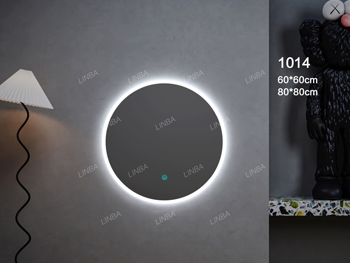
Multifunctional Smart Mirrors with Easy-to-Use Touch Panels
Introduction
In recent years, smart home technology has evolved rapidly, introducing innovative devices that enhance convenience, efficiency, and personal well-being. Among these advancements, multifunctional smart mirrors with easy-to-use touch panels have emerged as a revolutionary product, seamlessly integrating technology into everyday life. These mirrors go beyond traditional reflective surfaces by incorporating interactive displays, voice control, health monitoring, and smart home automation.
This article explores the features, benefits, applications, and future potential of multifunctional smart mirrors, focusing on their user-friendly touch interfaces. We will also discuss the technology behind these mirrors, their impact on daily routines, and considerations for consumers looking to invest in such a device.
---
What Are Multifunctional Smart Mirrors?
A multifunctional smart mirror is a technologically enhanced mirror that combines reflection with digital interactivity. Unlike conventional mirrors, these devices feature built-in displays, touch panels, and connectivity options that allow users to access a wide range of functions, from checking the weather to controlling smart home devices.
Key Features:
1. Interactive Touch Panel – The mirror’s surface is embedded with a responsive touchscreen, enabling intuitive control over various functions.
2. High-Resolution Display – Many smart mirrors feature OLED or LCD screens that provide crisp visuals while maintaining mirror functionality.
3. Voice and Gesture Control – Users can interact with the mirror using voice commands (e.g., Alexa, Google Assistant) or hand gestures.
4. Health and Fitness Tracking – Some models include sensors for monitoring heart rate, skin health, and weight.
5. Smart Home Integration – The mirror can connect with other smart devices, such as lights, thermostats, and security systems.
6. Entertainment and Media – Users can stream music, watch videos, or browse social media directly on the mirror.
7. Customizable Interfaces – The display can be personalized with widgets, apps, and preferred settings.
---
Technology Behind Smart Mirrors
1. Touch Panel Technology
The most critical aspect of a smart mirror is its touch interface. Capacitive touch technology is commonly used, allowing for smooth and responsive interactions similar to modern smartphones. Some advanced models incorporate infrared touch sensors for enhanced durability and multi-touch capabilities.
2. Display Integration
Smart mirrors use a semi-transparent mirror overlay with an embedded display. When the screen is off, it functions as a regular mirror. When activated, digital content appears on the reflective surface without obstructing the mirror’s primary function.
3. Connectivity Options
- Wi-Fi & Bluetooth – Enables internet access and synchronization with other smart devices.
- USB & HDMI Ports – Allows for external device connections, such as cameras or media players.
- AI Assistants – Built-in voice recognition for hands-free operation.
4. Power Efficiency
Many smart mirrors use energy-efficient LED backlighting and auto-dimming features to reduce power consumption. Some models even incorporate solar panels for sustainable operation.
---
Benefits of Multifunctional Smart Mirrors
1. Enhanced Daily Routines
Smart mirrors streamline morning and evening routines by providing instant access to:
- Weather forecasts
- Calendar reminders
- News updates
- Personalized skincare analysis
2. Health and Wellness Tracking
Advanced models include:
- Skin analysis cameras – Detects blemishes, wrinkles, and hydration levels.
- Weight and BMI tracking – When paired with a smart scale.
- Fitness coaching – Displays workout routines and tracks progress.
3. Smart Home Control
Users can adjust lighting, temperature, and security systems directly from the mirror, creating a seamless smart home experience.
4. Entertainment and Productivity
- Music and video streaming
- Video calls (via built-in cameras)
- Virtual makeup and wardrobe try-ons
5. Space-Saving Design
Unlike multiple devices (e.g., tablets, smart displays, fitness trackers), a smart mirror consolidates functions into a single, elegant fixture.
---
Applications of Smart Mirrors
1. Residential Use
- Bathroom Mirrors – Provide weather updates, news, and skincare tips while getting ready.
- Bedroom Mirrors – Serve as digital assistants for morning routines.
- Dressing Room Mirrors – Offer virtual wardrobe previews and fashion recommendations.
2. Commercial and Retail Spaces
- Smart Retail Mirrors – Allow customers to virtually try on clothes and accessories.
- Hotel and Spa Mirrors – Enhance guest experiences with personalized settings.
- Gym and Fitness Centers – Display workout stats and health metrics.
3. Healthcare and Assisted Living
- Medical Smart Mirrors – Monitor vital signs and remind patients to take medication.
- Elderly Care – Provide emergency alerts and daily activity tracking.
---
Future Trends and Innovations
1. Augmented Reality (AR) Integration – Future mirrors may overlay real-time AR makeup tutorials or interior design previews.
2. Advanced AI Personalization – AI could learn user preferences and suggest optimal routines.
3. Self-Healing Glass – Scratch-resistant and self-repairing surfaces for durability.
4. Holographic Displays – Projecting 3D visuals for immersive experiences.
5. Biometric Security – Facial recognition for personalized access and secure logins.
---
Considerations Before Purchasing
1. Size and Placement – Ensure the mirror fits the intended space (bathroom, bedroom, etc.).
2. Power Source – Some models require hardwiring, while others use standard outlets.
3. Privacy and Security – Cameras and microphones should have manual shut-off options.
4. Budget – Prices vary based on features; determine which functionalities are essential.
5. Compatibility – Check if the mirror integrates with existing smart home ecosystems.
---
Conclusion
Multifunctional smart mirrors with easy-to-use touch panels represent the future of interactive home technology. By combining reflection with digital intelligence, these devices enhance daily routines, improve health monitoring, and integrate seamlessly with smart home ecosystems. As technology advances, we can expect even more innovative features, making smart mirrors an indispensable part of modern living.
Whether for personal use, retail, or healthcare, smart mirrors offer a perfect blend of functionality and aesthetics, transforming ordinary mirrors into intelligent assistants. As consumer demand grows, these devices will continue to evolve, setting new standards for convenience and innovation in smart home technology.
Investing in a smart mirror today means embracing a smarter, more connected tomorrow.
Ce site Web utilise des cookies pour vous garantir la meilleure expérience sur notre site Web.


 English
 Español
 日本語
日本語 العربية



 Téléphone
Commentaire
(0)